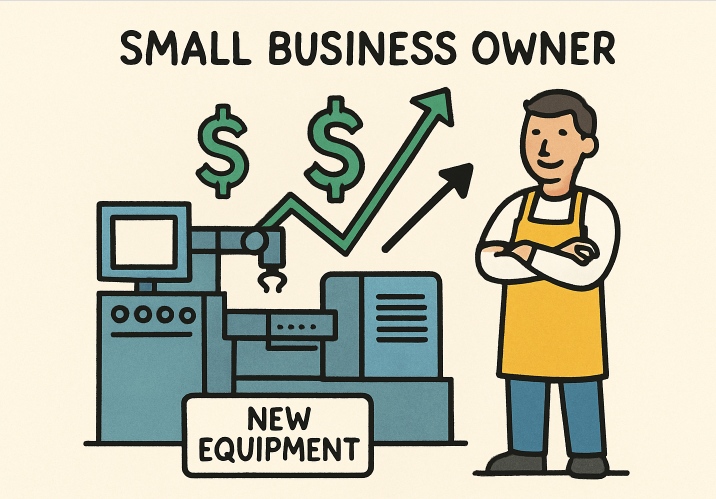
Small businesses face constant pressure to evolve and compete in today’s fast-changing market. One of the most effective strategies for owners looking to innovate and grow is equipment financing, which enables firms to secure the necessary assets without depleting cash on hand. Solutions like Equipment loans empower business owners to access cutting-edge tools, vehicles, and technology, while maintaining financial stability and ensuring steady operations.
By spreading the costs of critical business assets over time, companies can preserve liquidity and invest strategically in areas that drive growth. This way, they avoid large upfront capital expenditures and create more predictable budgeting. The right financing structure offers a flexible and practical approach that suits both emerging startups and established companies poised for expansion.
Navigating high equipment costs can be challenging, especially for smaller enterprises with limited resources. Leveraging financing allows these businesses to modernize infrastructure, improve productivity, and remain agile in response to market opportunities. Whether it’s upgrading manufacturing machinery or adding advanced software, this funding approach bridges the gap between business needs and financial capacity.
Such benefits extend beyond just acquiring new tools or machinery. Equipment financing supports long-term planning and helps protect cash flow, enabling companies to invest in their workforce, marketing, and other crucial initiatives. It also means businesses can replace outdated technology more often, keeping them competitive in their industries.
In addition to asset-based loans, companies can explore additional financial products that support broader operational needs, such as Working capital loans, to further enhance flexibility and ensure continued growth.
Understanding Equipment Financing
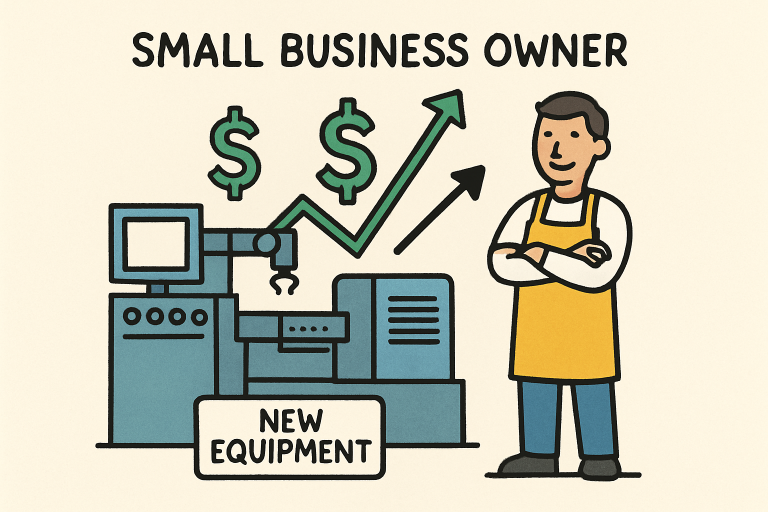
Equipment financing enables businesses to obtain everything from vehicles and software to heavy machinery without paying the full cost up front. Instead, they make fixed monthly payments for a set period, with ownership typically transferring at the end of the term. This financing method is especially advantageous for small enterprises, which may not have the cash reserves to make a substantial purchase in a single payment. The flexibility of this model fits well with the seasonal or fluctuating income cycles common among smaller firms.
Benefits for Small Businesses
Organizations of all sizes turn to equipment financing for several key reasons:
- Preservation of Capital: By financing instead of paying outright, firms keep capital available for rent, payroll, or expansion initiatives.
- Modernization: Regularly updating equipment ensures businesses always have access to the latest capabilities and technology, minimizing downtime and maximizing efficiency.
- Potential Tax Advantages: Certain types of leases and loan payments can be deducted as business expenses. Consult a tax professional or reference resources such as the IRS guidelines on equipment depreciation to learn more.
- Manageable Payments: Predictable monthly payments simplify budgeting and financial forecasting, reducing cash flow stress during lean periods or unexpected downturns.
Current Trends in Equipment Financing
The equipment finance market is thriving, accounting for an estimated $1.34 trillion in 2023, according to industry data. Recent reports from the Equipment Leasing and Finance Association indicate that roughly 82% of American businesses use some type of financing when acquiring equipment or software. This widespread adoption reflects not only economic necessity but also a growing awareness of the financial and operational advantages these solutions provide. Leading sources like Forbes note that flexible lending products are now considered essential tools for maintaining a competitive edge.
Technological Advancements in Financing
Recent technology innovations have had a transformative impact on how equipment financing is delivered:
- Artificial Intelligence: AI algorithms now assess creditworthiness by analyzing vast amounts of data, resulting in quicker loan approvals and more accurate risk assessments.
- Blockchain: This technology ensures secure, transparent contracts. Smart contracts automatically execute terms once all requirements are met, reducing administrative delays and fraud risk.
These advancements have made it easier than ever for small enterprises to access financing, and approval times have shrunk from weeks to days or even hours in many cases.
Strategies for Effective Equipment Financing
Bundled Financing Options
Businesses can maximize savings and streamline operations by bundling equipment, software, support, and training into a single financing package. This approach helps them avoid managing separate contracts and payments for each component.
Multi-Source Financing
By considering offers from several lenders, companies may achieve lower rates, better terms, and faster funding. It can also increase the odds of approval, since different sources may evaluate applications using varying criteria.
Real-Life Examples of Successful Financing
Consider a small manufacturer that financed an expansion of its production line. By spreading equipment costs across manageable installments, the company maintained sufficient working capital and achieved a new increase once the new machinery was operational. Similarly, a dental practice that bundled its equipment investment reduced expenses by 14% and completed installation in just over a week, highlighting the value of efficient financing strategies.
Common Misconceptions About Equipment Financing
Despite the clear advantages, several persistent myths still deter some business owners:
- Interest Rates Are Always High: While terms vary, businesses with strong credit often secure favorable rates thanks to growing competition in the lending space. Thorough comparison shopping can yield excellent results.
- The Application Process Is Too Complex: Today’s digital platforms and AI-backed underwriting systems have greatly simplified the process, removing much of the paperwork and lengthy delays of the past.
Conclusion
For small businesses aiming to grow and remain competitive, equipment financing offers a reliable, flexible alternative to traditional lump-sum purchases. By understanding its benefits, staying up to date with key trends, and implementing effective financing strategies, business owners are well-equipped to navigate challenges and capitalize on new opportunities.