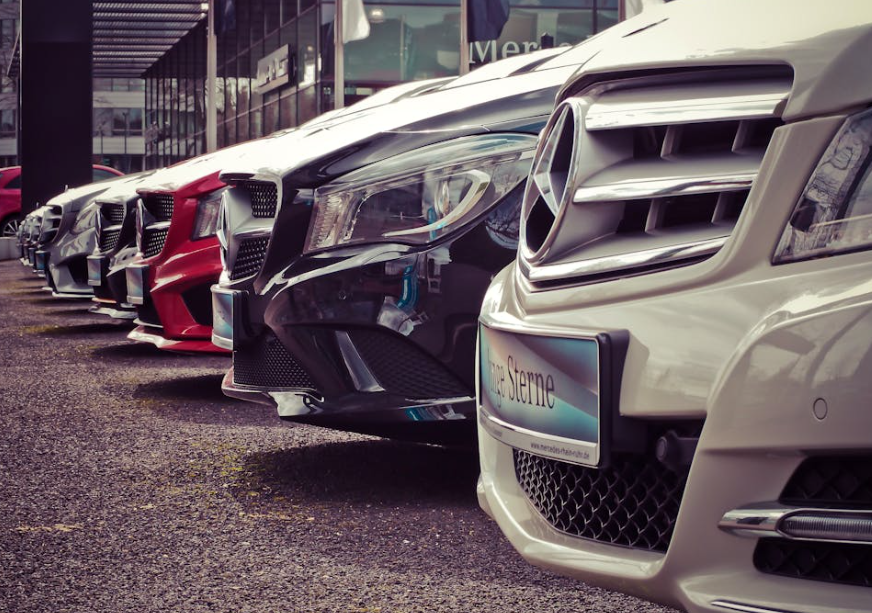
Stone Mountain drivers deal with bright Georgia sun, humid summers, sudden rain, tree debris, and busy commutes around metro Atlanta. The best vehicle upgrades address real conditions rather than adding features simply because they look impressive. Options such as ceramic coating for cars in Stone Mountain, GA can make sense when protecting a daily driver from outdoor parking, pollen, road grime, and intense sunlight is a priority.
A practical plan starts with how the vehicle is actually used. A family SUV that spends weekdays on Memorial Drive and weekends at Stone Mountain Park may need heat control, easier cleanup, and durable paint protection. A highway commuter may place a higher value on glare reduction, chip prevention, and reliable technology.
Start With a Clear Goal
Before requesting estimates, write down the top three problems you want to solve. They may include a cabin that gets too hot while parked near downtown Stone Mountain, paint that collects sap beneath mature trees, headlights that need better visibility during rain, or road chips from frequent trips on I-285 and Highway 78.
This needs-first approach prevents a scattered list of upgrades. For example, a driver who parks outdoors every day may benefit more from protective services and quality window film than decorative lighting or a louder exhaust system.
For owners searching for automotive ceramic coating near me, the useful question is not just which product sounds the strongest. Ask whether the vehicle needs paint correction first, how often it is washed, and whether it is exposed to constant sun, pollen, gravel, or tree debris.
Improve Cabin Comfort and Light Control
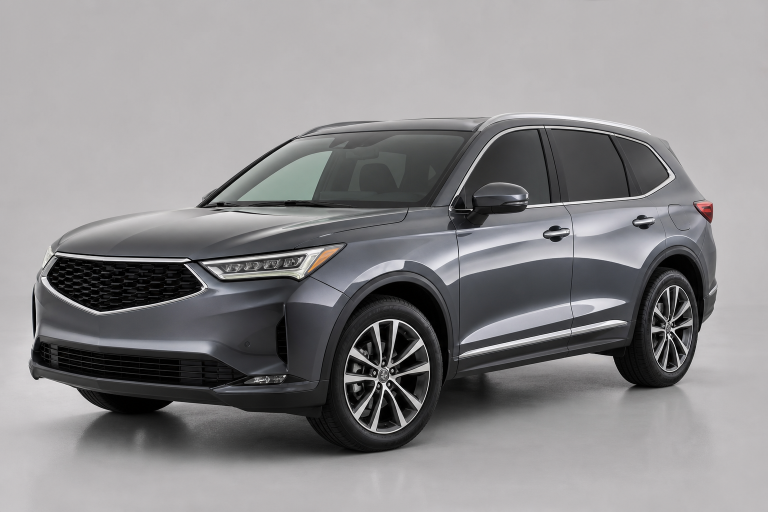
Window film can improve comfort by reducing glare and managing solar heat, which matters during long Georgia summers. However, darker glass is not automatically better glass. Visible light transmission, often abbreviated as VLT, is the percentage of visible light passing through the glass-film combination. Heat rejection and UV filtering are separate performance measures.
Choose Film by Performance, Not Shade Alone
- Dyed film is often selected for appearance and basic glare reduction.
- A carbon film can provide a darker look without the reflective appearance of some metallic products.
- Metallic film may provide heat control, but it should be evaluated carefully in the vicinity of electronic signals.
- Ceramic film is commonly chosen for strong heat rejection without requiring the darkest possible shade.
Quality installation matters as much as the film itself. Clean edges, proper curing time, and a realistic discussion of the vehicle’s factory privacy glass all help prevent haziness, bubbling, and disappointing results.
Check Georgia Tint Requirements Before Choosing a Shade
Tint should always preserve safe visibility, especially during evening storms and low-light drives through wooded areas near Stone Mountain. Georgia restrictions address light transmission, reflectivity, windshield coverage, vehicle type, and certain exemptions. Review the current Georgia window tint restrictions before selecting a film, because the final measurement is based on the combined glass and film, not the film’s advertised percentage alone.
Front side windows and windshields generally deserve the closest attention because they are essential to driver visibility. Avoid assuming that factory privacy glass is the same as aftermarket tint, and ask about medical-exemption procedures if a health-related need is involved. Old film that is bubbling, scratched, or cloudy should be removed because it can reduce visibility even if its shade was acceptable when first installed.
Protect Paint in High-Wear Areas
Paint protection is especially practical for vehicles exposed to gravel, insects, construction dust, parking-lot hazards, and frequent highway mileage. Paint protection film is a clear, physical layer applied over painted panels, helping shield vulnerable areas from minor impacts and road debris.
Prioritize the Most Exposed Panels
- Front bumper and leading edge of the hood
- Side mirrors and front fenders
- Door edges, door cups, and rocker panels
- Rear wheel arches on vehicles that pick up road spray
Partial coverage can be a smart budget choice. It targets the panels most likely to collect damage without requiring full-vehicle film. Still, film is not a repair for peeling clear coat, deep scratches, rust, or neglected paint. Those issues should be corrected before protection is applied.
Compare Coatings, Detailing, and Routine Care
These services work differently, and understanding their roles helps set realistic expectations:
- Detailing cleans and refreshes interior and exterior surfaces. It does not create permanent paint protection.
- Wax or sealant adds gloss and short-term water resistance, but it will not stop every scratch or chip.
- Ceramic coating forms a durable, bonded layer that can improve gloss and simplify washing. It is not scratch-proof armor.
- Paint protection film provides a physical barrier in high-impact areas, but it still needs careful washing and regular inspection.
Surface preparation is essential. A coating applied over oxidation, water spots, or rough paint may preserve those flaws rather than hide them. For best results, inspect the finish under good lighting before installing any protective product.
Add Technology Without Creating New Problems
Remote start, upgraded audio, dash cameras, security systems, lighting, and navigation accessories can make daily driving easier. The important question is whether the installation respects factory wiring, sensor locations, cameras, airbags, and driver-assistance systems.
- Confirm compatibility with factory electronics before purchase.
- Ask whether the accessory draws power while the vehicle is parked.
- Keep camera views, mirrors, and windshield sightlines clear.
- Choose products with available replacement parts and understandable operating instructions.
Plan the Work in the Right Order
- Inspect paint, glass, trim, tires, warning lights, and existing electronics.
- Separate needed repairs from optional upgrades.
- Fix leaks, electrical faults, damaged glass, and safety concerns first.
- Complete paint correction before applying film or coatings.
- Confirm tint selection and legal requirements before installation.
- Add electronics after exterior and interior protection work is complete.
- Request written care instructions, warranty details, and curing timelines.
Avoid Common Upgrade Mistakes
- Choosing the darkest tint instead of the best-performing legal film.
- Expecting ceramic coating to prevent every scratch, chip, or water spot.
- Applying protection over paint defects without correcting them first.
- Comparing estimates by price alone while ignoring preparation and warranty terms.
- Installing accessories without checking battery draw or compatibility with the factory system.
- Using abrasive cleaners on newly installed film, coatings, or protective film.
Final Checklist for Stone Mountain Vehicle Upgrades
The right upgrade should make every drive more comfortable, protected, or reliable. Identify the problem, verify the requirements, compare real-world performance ratings, and select services that match how your vehicle handles Stone Mountain heat, rain, tree cover, traffic, and daily parking. Thoughtful choices create a better ownership experience without adding unnecessary cost or maintenance.